Every deal requires economic surplus for both parties. If you forget that, you might lose your deal.
I was an Econ Major. One of the first concepts in Econ 101 is the Supply and Demand Curves.
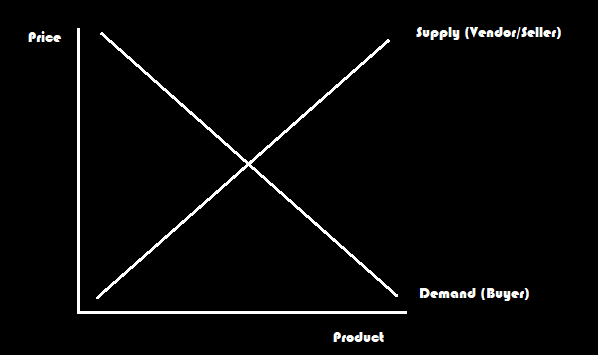
Price goes up: if you’re the buyer, the less you’re willing to buy. If you’re the seller, the more you’re willing to sell.
Price goes down: as a buyer, you’re more willing to buy, and as a seller, you’re less willing to sell.
The concept of “Surplus” follows – the economic benefit that both sides get from the deal.
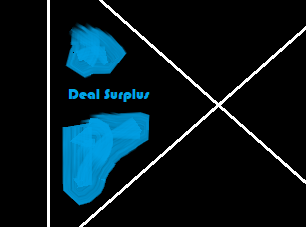
From this, you also get the Demand Surplus and the Supply Surplus.

Demand Surplus is effectively the buyer’s “Return on Investment” (ROI) – how much you’ve benefitted over and above what you paid for.
Supply Surplus is effectively the seller’s profit margin – how much they’re benefitting on the deal over what it cost them.
SO WHAT? Without both the Demand Surplus and the Supply Surplus, your deal doesn’t happen. A buyer needs an ROI, or else there’s no reason to spend the money. A seller needs a profit margin, or else there’s no reason to move their product.
Not all negotiators appreciate this. Yes, you want extract your portion of surplus. BUT, the other side also needs to retain their surplus. If you extract all of the other side’s surplus, you give them less reason to do the deal.
One level deeper for the buyer – in those deal specifics where you need to consider the value of the deal, is that valuation actually reflecting your expected ROI? If it just reflects the price you’re paying, then your expected ROI isn’t being captured.
— Yuki
 HATR Consulting
Leave a comment